
UNITED NATIONS DEFINED SUSTAINABILITY
“Humanity has the ability to grow in a sustainable manner, in order to meet the needs of the present without compromising the ability of future generations to meet their own needs.” (1987).
This means to act responsibly in regard to how a product, in this case a house, is produced:
- To respect and forethink, when handling people or materials
- To protect humanity and preserve resources, especially if not renewable
- To think about the present and future impact of our actions on humans
GOAL OF SUSTAINABLE DEVELOPMENT
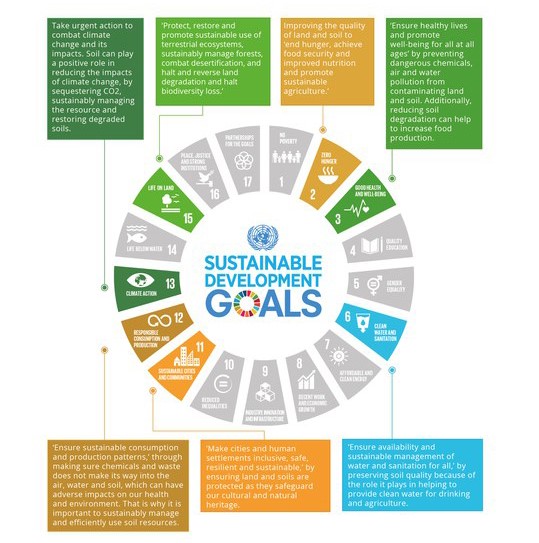
The EEA (European Environment Agency) and the United Nations have drawn the goals for sustainable development. Based on these goals, Sustainable Architecture means:
• Evaluating an existing building before deciding whether to destroy it
• Designing for an open and democratic society
• Building with the whole building cycle in mind (design, construction, maintenance, and demolition)
• Using nature-friendly materials
• Trying to avoid downcycling
• Using recycled materials
• Preserving biodiversity
WHY INVEST IN SUSTAINABLE ARCHITECTURE
There are benefits both in the short and long term. Short-term benefits which affect the life-time of the building are the higher value (in case of selling), the lower maintenance costs and the lower taxes, due to what is known as “high energy class” (an energy-efficient building). The long-term benefits are related to the future generations. By protecting the environment and investing in culturally valuable buildings we preserve resources that will be needed in the future: an investment that contributes to human evolution.
HOW WE DO IT
• Instead of destroying buildings, we create a concept for reusing them. This way we save valuable resources, materials and energy. Considering the whole building cycle and its energy footprint on the planet, we choose to renovate a building rather than demolish it.
• We design buildings in such a way that comfort and commodity are driven by the client’s needs over time and not the builder’s profitability. When designing for people, we invest in a building’s future value, rather than following the value-for-money rule.
• We design with local material and use local builders, as much as possible. This way we support the communities and economy that surround the building and contribute to sustainability.
• The materials we use are considered in the context of the whole building cycle, so that the energy required for production, building, and demolition is taken into account. Maintaining a low energy footprint increases a building’s value.
• By using natural materials as much as possible, we preserve a healthier living environment for the inhabitants.
• We prefer materials that can be reused, in order to save primary resources when it comes to recycling in the future.
• When a new building is built, this has an impact on the natural environment. The existing balance of plants and animals is destroyed. We design in order to maintain or re-create biodiversity.